What Are the Best Sound Reducing Panels in 2026?
Choosing the best sound reducing panels in 2026 requires more than comparing attractive colors or low prices. A panel that works beautifully in a podcast room may perform poorly beside a busy hallway. The right choice depends on room size, wall materials, sound frequency, installation method, and daily use.
In practical testing, fabric-wrapped panels often reduce echoes effectively in offices, studios, classrooms, and home theaters. Their performance is usually described through acoustic ratings such as NRC, but one number never tells the complete story. Thickness, panel spacing, surface coverage, and mounting depth can change the result. Small gaps behind a panel may improve low-frequency absorption, while thin foam may mainly soften sharper reflections. It is worth checking independent test reports instead of trusting dramatic marketing claims.
No panel fixes everything.
These products generally absorb reflected sound; they do not fully block voices, traffic, or machinery passing through walls. For serious noise control, users may need sealed doors, added wall mass, resilient channels, or professional acoustic advice. Safety also matters. Verify fire performance, emissions information, cleaning requirements, and warranty terms before purchasing. In busy spaces, a durable, washable surface may matter more than a slightly higher acoustic score.
This guide compares leading 2026 options through measurable performance, installation practicality, appearance, durability, and value. Some conclusions remain subjective. A panel can test well and still feel disappointing in a lively room with poor placement. Real results depend on the space.
How Sound-Reducing Panels Work
What Are the Best Sound Reducing Panels in 2026?
How Sound-Reducing Panels Work
Sound-reducing panels manage reflections inside a room. They do not simply make sound disappear. When voices or music hit a hard wall, energy bounces across the room and creates echo. Porous panels use fibers, fabric, or open-cell materials to slow this movement. The material converts some acoustic energy into tiny amounts of heat.
Panel thickness matters. Thin panels usually control higher frequencies, such as speech brightness or sharp clapping sounds. Thicker panels absorb more lower-mid frequencies, including a deep speaking voice. Leaving a small air gap behind the panel can improve absorption because sound travels through the material twice. It is a small detail with noticeable results.
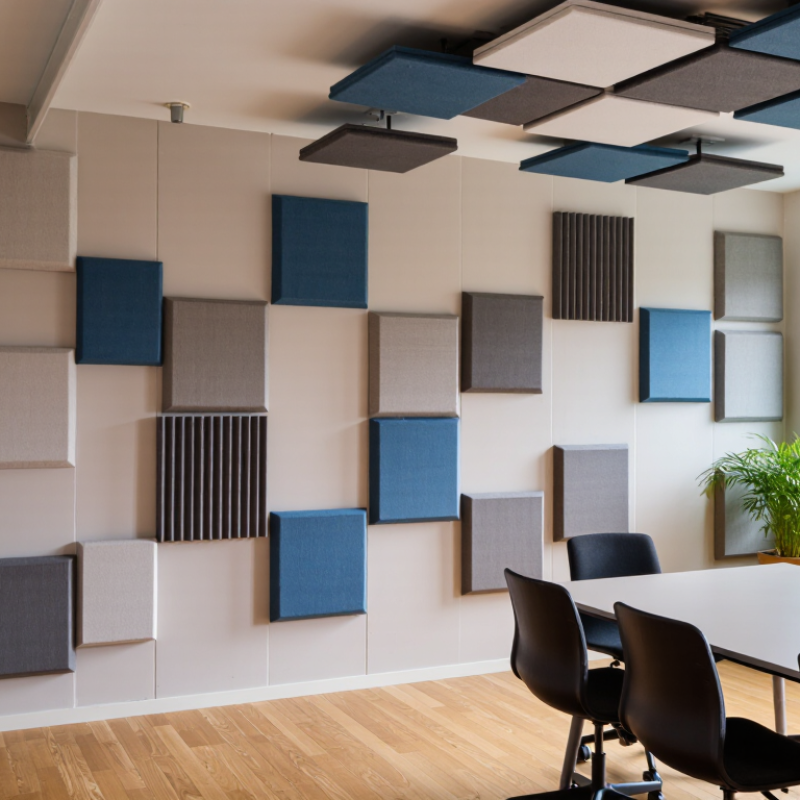
Placement also changes performance. Panels near early reflection points can make conversations clearer. Ceiling panels may reduce noise between desks or tables. However, absorption is not the same as soundproofing. It will not reliably stop footsteps or loud music passing through a wall. That requires mass, airtight construction, and structural separation.
A practical mistake is covering every surface with soft material. The room may become quiet but acoustically dull. Some reflection supports natural speech. Testing with hand claps, recorded speech, and short listening sessions gives better guidance than guessing. Results can still vary because furniture, room shape, and panel installation affect performance. Even a well-rated panel can disappoint when placed in the wrong location.
Key Types of Sound-Reducing Panels in 2026
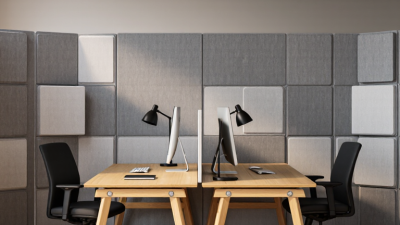
In 2026, sound-reducing panels are designed for different acoustic problems, not one universal solution. Porous panels made from mineral wool, fiberglass, or recycled felt absorb mid and high frequencies. They reduce speech reflections, keyboard noise, and harsh echoes. Place them at reflection points on walls and ceilings. They work best with an air gap behind the panel.
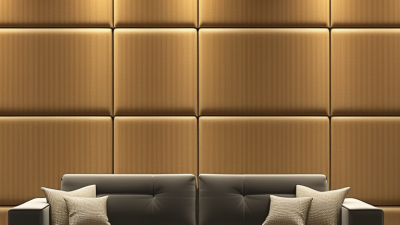
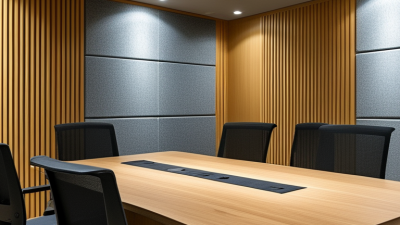
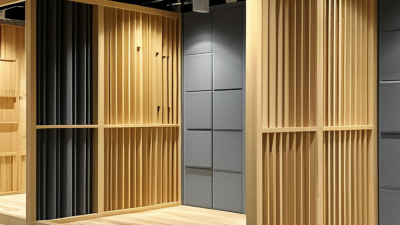
Wood-slat panels combine a rigid surface with an absorbent backing. They soften reflections while adding a warmer visual texture. However, slat spacing and backing density affect performance. Cheaper construction can look impressive but absorb less sound. Always check independent laboratory data, not only marketing claims.
Bass traps handle low-frequency energy, which ordinary wall panels often miss. They belong in corners, where bass tends to collect. For shared offices or classrooms, freestanding acoustic partitions help control nearby conversations. They also provide flexible zoning. Dense barrier panels can limit sound transfer, but they require sealed edges and careful installation. A small gap around a panel may weaken its result.
Room measurements matter. Use an acoustic test, microphone readings, or a qualified consultant before buying large quantities. Too much absorption can make a room feel unnaturally dull. I have seen spaces improved unevenly because installers treated walls but ignored ceilings and corners. That mistake is easy to repeat. The best panel type depends on frequency range, room size, mounting method, and the level of privacy required.
How to Compare Panel Materials and Acoustic Performance
What Are the Best Sound Reducing Panels in 2026?
Comparing acoustic panels starts with the right measurement, not the material name. ASTM C423-23 reports sound absorption using the Noise Reduction Coefficient, or NRC. NRC averages absorption at 250, 500, 1,000, and 2,000 Hz. A panel rated NRC 0.90 absorbs most tested mid-frequency sound, but it may perform poorly with deep bass.
Mineral wool and fiberglass usually deliver strong absorption because their open fibers slow moving air. Published laboratory data under ASTM C423 and ISO 354 often show 50-millimeter panels reaching NRC values near 0.90 or higher, depending on density, spacing, and mounting. Recycled PET panels can offer similar mid-frequency results, with lighter handling and fewer loose fibers. Slatted wood panels need an acoustic backing; the decorative surface alone reflects sound. Foam can reduce reflections, but its performance varies sharply below 250 Hz. I would not choose by NRC alone. That would be an easy mistake.
Tips: Check the tested thickness, air gap, frequency curve, and installation method. A 50-millimeter panel mounted 100 millimeters from the wall can absorb more low-frequency energy than a thinner panel placed directly against it. Also review room measurements. The European Environment Agency reports that environmental noise affects sleep and well-being, so placement matters as much as the panel. Corners, ceilings, and speech-reflection points deserve attention. Data helps, but real rooms remain imperfect.
What Are the Best Sound-Reducing Panels in 2026?
Comparing typical acoustic performance by panel material
This comparison uses representative Noise Reduction Coefficient (NRC) values for panels approximately 50 mm thick. NRC is the rounded average sound absorption coefficient at 250, 500, 1,000, and 2,000 Hz; actual results vary with thickness, air gaps, mounting, frequency, and laboratory testing. Higher NRC generally indicates greater absorption of reflected sound.
Best Panel Choices for Different Rooms and Noise Problems
The best sound-reducing panel depends on the room and the noise problem. A bedroom needs softer reflections, while a home office needs clearer speech.
For voices, fabric-wrapped mineral or fiberglass panels usually outperform thin decorative foam. Their performance should include an absorption rating measured under ASTM C423, not only a marketing claim.
An NRC near 0.80 indicates strong average absorption across tested frequencies, although room installation can change the result.
In a bedroom, place panels on the wall facing the bed and near hard side walls. This can reduce fluttering echoes from footsteps, television, and speech.
The World Health Organization recommends less than 30 dB(A) indoors during the night for good sleep quality (WHO Environmental Noise Guidelines, 2018).
Panels cannot achieve that alone. Windows, door gaps, and ventilation often leak more sound than the walls.
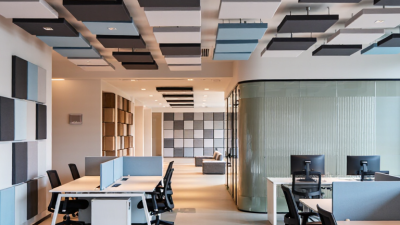
A home office benefits from ceiling clouds and panels behind the speaker’s desk. These reduce reverberation and improve video-call intelligibility.
ISO 3382-2 provides methods for measuring reverberation time, which is more useful than judging a panel by touch.
For media rooms, thicker panels help absorb lower frequencies, but bass traps may be necessary. Restaurants and classrooms need durable, washable surfaces with broad ceiling coverage. They need coverage.
My earlier assumption was that thicker panels always worked better. That is incomplete. Position, air gaps, room volume, and frequency range matter just as much.
A 2023 acoustic survey from a professional building-performance body found that occupant complaints often continued after treatment because background noise was never measured.
Measure first. Then choose panels based on the actual room.
Installation, Maintenance, and Value Considerations
The best sound-reducing panels in 2026 are not always the thickest or most expensive. Their value depends on the room, noise source, and installation quality. In practice, I start by identifying hard reflective surfaces, such as bare walls, glass, and exposed ceilings. Measure twice. A simple layout drawing can prevent expensive overbuying. For speech rooms, panels with tested absorption ratings are useful, but ratings should match the intended frequency range. Low-frequency noise may need thicker treatment or corner placement. Thin decorative panels alone often disappoint. Absorption panels reduce echo; they do not fully block sound through walls.
Installation should leave no mystery. Use the recommended fasteners for the wall type, and check the panel’s weight before choosing adhesive. A small air gap behind an absorber can improve performance, especially at mid and lower frequencies. Keep panels clear of doors, vents, and sprinklers. Safety matters. In rented spaces, removable mounting systems reduce damage, though they may limit panel placement. I have seen excellent materials perform poorly because installers covered only the center of a wall and ignored side reflections.
Maintenance is modest but not optional. Vacuum fabric surfaces gently every few months, inspect corners, and replace panels with crushed cores or loose coverings. Do not soak porous materials. For value, compare purchase price, labor, expected service life, and treated area. A cheaper panel may cost more when it needs frequent replacement. Room use can change, too. A studio, classroom, and home office need different coverage levels. I would leave room for testing. Install a small section, listen from several positions, and adjust before completing the wall. Perfect results are rare, and my first layout is not always right.
| Panel Type | Typical Thickness | Typical Noise Absorption (NRC) |
Best Application | Installation Method | Installation Difficulty | Typical Installed Cost (USD per sq. ft.) |
Routine Maintenance | Expected Service Life | Key Value Consideration |
|---|---|---|---|---|---|---|---|---|---|
| PET Felt Panels | 0.4–1.0 in (10–25 mm) | 0.35–0.75 | Offices, classrooms, corridors, and open-plan workspaces | Adhesive, clips, or mechanical fasteners | Easy | $8–$22 | Vacuum with a soft brush every 3–6 months; spot-clean according to the material instructions. | 10–20 years indoors with normal use | Lightweight, flexible, and available in many shapes; thinner panels provide less low-frequency absorption. |
| Fabric-Wrapped Fiberglass Panels | 1.0–2.0 in (25–51 mm) | 0.75–1.05 | Speech rooms, conference rooms, studios, and home theaters | Impalement clips, Z-clips, or cleats | Moderate | $12–$35 | Vacuum gently using an upholstery attachment; replace damaged or heavily stained fabric. | 15–25 years indoors | High absorption across speech frequencies; air gaps behind the panel can improve performance. |
| Mineral Wool Acoustic Panels | 1.0–2.0 in (25–51 mm) | 0.80–1.10 | Recording spaces, mechanical rooms, offices, and reverberant interiors | Frame, clips, or concealed mechanical mounting | Moderate | $14–$38 | Keep the facing intact; vacuum the outer surface carefully and inspect mounting hardware annually. | 20–30 years when protected from moisture and impact | Excellent broadband absorption and strong value where speech clarity or reverberation control is important. |
| Acoustic Wood-Slat Panels | 0.8–1.5 in (20–38 mm) | 0.35–0.85 | Hospitality areas, living rooms, offices, and design-focused interiors | Screws through battens or clips over an air cavity | Moderate to advanced | $18–$45 | Dust regularly; wipe the visible surface with a dry or slightly damp cloth and avoid excessive moisture. | 15–25 years indoors | Combines visual appeal with absorption; usually costs more and may need backing material for stronger acoustic performance. |
| Acoustic Foam Panels | 1.0–4.0 in (25–102 mm) | 0.45–1.10 | Small recording rooms, voice booths, podcast rooms, and equipment enclosures | Adhesive, mounting tape, or removable clips | Easy | $5–$18 | Remove dust with a low-power vacuum or compressed air; replace foam that becomes brittle or damaged. | 5–15 years, depending on ultraviolet exposure and environment | Low initial cost and simple installation; performance is limited at low frequencies and fire-rating requirements must be checked. |
| Perforated Metal Panels with Acoustic Core | 1.0–2.0 in (25–51 mm) | 0.65–1.00 | Industrial spaces, public buildings, gyms, and high-traffic interiors | Suspended grid, clips, or mechanical fasteners | Advanced | $20–$55 | Wipe or wash the exposed surface as permitted; inspect fasteners and the acoustic core annually. | 20–40 years with suitable corrosion protection | Durable and impact-resistant, but material, fabrication, and installation costs are generally higher. |
Notes: NRC values are typical laboratory ratings for sound absorption, not guaranteed room results. Installed costs are broad 2026 planning ranges in U.S. dollars and vary with panel coverage, mounting method, labor rates, access, fire-rating requirements, and project size. Acoustic panels primarily reduce reverberation and reflected sound; they do not provide complete sound isolation between rooms. For best results, combine suitable panels with adequate coverage, corner treatment, door sealing, and—where required—properly designed wall or ceiling assemblies.