What Are the Best Types of Soundproof Panels?

Choosing the best sound proof panels is not as simple as picking the thickest option. Room size, wall construction, noise frequency, and installation quality all affect the result. A thin fabric panel may reduce echoes in a home office, while a dense barrier may work better against voices from an adjoining room. They are different problems.

Small details matter. In a meeting room, untreated walls can create a sharp flutter echo between glass surfaces. In a recording studio, low bass may still vibrate through the floor after wall panels are installed. I have seen attractive foam panels improve speech clarity, yet provide little protection from traffic or loud neighbors. That limitation deserves attention.

The right choice depends on evidence, not marketing claims. This guide examines acoustic foam, fabric-wrapped absorbers, polyester panels, mass-loaded barriers, bass traps, and hybrid systems. It explains where each type performs well, where it falls short, and how placement changes performance. Expect practical details, such as panel thickness, air gaps, ceiling coverage, and corner installation. Professional acoustic testing remains the most reliable method, but careful observation can reveal useful clues. Record the room before treatment. Listen near corners. Check whether voices sound clearer or merely quieter.

No panel solves every noise problem. That is the honest answer. Good design balances absorption, isolation, appearance, safety, and budget. Some recommendations may need revision after measuring the room, because real spaces rarely behave like product descriptions.
What Are the Best Types of Soundproof Panels?

How Soundproof Panels Work and What They Can—and Cannot—Do

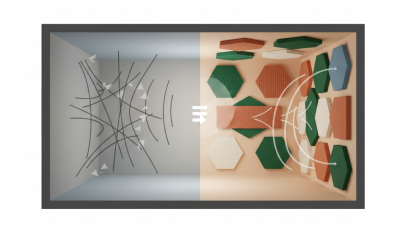
Soundproof panels are often better at calming a room than stopping sound from entering it. Their porous surfaces let sound waves travel into the material, where some energy becomes heat. This reduces reflections and reverberation. A spoken voice may sound clearer, and a sharp clap may fade faster. Small change, noticeable effect.

Panel thickness and placement matter. A thin panel on one wall may soften high-frequency echoes but do little for deep bass from a nearby subwoofer. Leaving an air gap behind a suitable panel can improve absorption at some lower frequencies. Treating first-reflection points near speakers and adding coverage to a hard ceiling can help. Still, rooms differ; a layout that works in a furnished office may disappoint in a bare bedroom.

Panels rarely provide true sound isolation by themselves. Noise can pass through doors, windows, floor gaps, and lightweight walls. Blocking it usually requires added mass, airtight sealing, and sometimes separated wall layers—not just soft surfaces. I would check the room’s weak spots before buying panels. It is easy to mistake less echo for less noise. They are not the same.

The Main Types of Soundproof Panels and Their Materials

Soundproof panels use different materials because rooms produce different acoustic problems. Open-cell polyurethane or melamine foam absorbs reflected speech and high-frequency hiss; it is light, easy to cut, and often installed on walls or ceilings. Fiberglass and mineral-wool panels also absorb sound, with fabric coverings that protect the fibers and soften the look. For music rooms, thicker panels or panels spaced away from the wall can help address lower frequencies. Still, thickness alone does not guarantee good results.

The Noise Reduction Coefficient (NRC) offers a useful comparison. Under ASTM C423, it averages sound absorption at 250, 500, 1,000, and 2,000 Hz, then rounds the result to the nearest 0.05. It is an absorption rating, not a measure of how much sound a panel blocks from entering another room. Not a barrier. Perforated wood or metal panels with an air cavity behind them can target lower-frequency sound, while porous panels are commonly used to reduce echo. Check test results and installation details, not just material names. A panel that looks substantial may still leave a noticeable bass boom.

How Panel Design Affects Noise Reduction and Acoustic Performance

What Are the Best Types of Soundproof Panels?

Panel design determines which sounds are absorbed and how much room reflections are reduced. Porous fabric-wrapped panels work well across much of the speech range, while thicker panels generally absorb lower frequencies more effectively. Place them at reflection points, such as the wall beside a meeting table, rather than covering every surface. Too much absorption can make a room feel unnaturally dull. It happens.

ASTM C423 laboratory reports measure sound absorption and support the Noise Reduction Coefficient, or NRC, rating. NRC averages absorption at 250, 500, 1,000, and 2,000 Hz, rounded to the nearest 0.05. An NRC of 0.80 is useful for comparing panels, but it does not promise an 80% reduction in every sound or room.

For classrooms, ANSI/ASA S12.60 sets a maximum reverberation time of 0.6 seconds for core learning spaces up to 10,000 cubic feet. That target depends on the whole room, including furnishings and panel placement. Panels absorb echoes; they usually do little to stop sound passing through a wall. A single rating can mislead. Check frequency-specific test data and match the panel thickness, air gap, and layout to the noise problem.

Choosing Panels for Different Rooms, Noise Sources, and Budgets

Choosing soundproof panels starts with identifying the noise. In a living room with echo, fabric-wrapped fiberglass or mineral-wool panels can absorb reflections and make speech clearer. For a bedroom facing traffic, thin foam may soften room echo but will not block much outdoor sound. Sealing gaps and improving the window or wall assembly matter more. The distinction is easy to miss.

Room use changes the choice. In a home office, panels behind a monitor can reduce fluttering reflections during calls; in a dining room, ceiling panels may help where hard floors and glass create a sharp ring. Compare tested absorption ratings, such as NRC values measured using ASTM C423, rather than judging panels by thickness alone. Higher absorption does not automatically mean better sound isolation. I would still test a small area first; rooms can behave oddly.

Budget should follow the problem. Treating one reflective wall is often a practical start, while blocking low-frequency traffic or machinery noise may require heavier construction and professional assessment. The World Health Organization’s 2018 environmental-noise guidelines recommend road-traffic exposure below 53 dB Lden and 45 dB Lnight. Those are exposure recommendations, not promises that panels can achieve them. A basic sound-level reading at different times can help distinguish passing noise from persistent room echo.

Where to Place Soundproof Panels for the Best Results

The best soundproof panels cannot work well when placed randomly. Placement matters more than appearance. In a home studio, attach panels at the first-reflection points beside the speakers. Use a mirror to find them: wherever you can see a speaker from the listening seat, sound can reflect there. Covering these spots often makes speech and music clearer.

The ceiling above the listening position deserves attention. A suspended acoustic cloud can reduce vertical reflections, especially in rooms with hard floors. Place thicker panels on the rear wall, but leave some reflective area when the room feels too dull. Corner traps help control low-frequency buildup, although thin foam usually performs poorly below 125 Hz. ASTM C423 evaluates sound absorption through the Noise Reduction Coefficient, based on 250, 500, 1,000, and 2,000 Hz measurements. A high NRC rating does not guarantee strong bass control.

Professional standards also support measuring the room rather than guessing. ISO 3382-2 provides methods for assessing reverberation time in ordinary rooms. The World Health Organization’s 2018 noise guidelines recommend less than 30 dB(A) of indoor bedroom noise at night, but absorption panels cannot fully block traffic or machinery. They mainly reduce reflections. I still leave one untreated wall in some rooms. That choice is imperfect, yet it can prevent an unnaturally dry sound. Test with handclaps, speech recordings, and repeated listening from the actual seat. Move one panel at a time. Small changes matter.