What Are the Best Acoustic Sound Panels in 2026?

In 2026, choosing acoustic sound panels is less about covering every wall and more about solving a specific room problem. A meeting room with sharp echoes needs different treatment from a home studio with muddy vocals. Material, thickness, mounting distance, coverage, and verified absorption ratings all matter. So does the room itself.

A useful benchmark comes from the World Health Organization’s Environmental Noise Guidelines for the European Region (2018). It recommends keeping average road-traffic noise below 53 dB Lden. But there is an important distinction: absorptive panels reduce reflections inside a room; they do not, by themselves, soundproof it against traffic or noisy neighbors. Small detail. Big difference. For product comparisons, look for laboratory results measured under standards such as ASTM C423 or ISO 354, rather than relying on vague claims like “studio grade.”

Sound consultant Julian Treasure captured the wider issue in his TED talk: “We are losing our listening.” That warning feels relevant in rooms where a hollow ring makes conversation tiring or a spoken voice disappears into soft furnishings. Yet there is no single best panel for every space. A panel that improves speech clarity may not solve bass buildup, and attractive finishes do not guarantee strong absorption. This guide compares leading options by performance evidence, materials, installation, appearance, and value. It also notes what product ratings can—and cannot—tell you. Some choices are compromises. That is worth saying plainly.
What Are the Best Acoustic Sound Panels in 2026?

What Acoustic Sound Panels Do and How They Work

Acoustic sound panels manage reflections inside a room; they do not make the room soundproof. Their porous surfaces let sound waves enter instead of bouncing straight back. Inside the material, sound energy loses strength through friction among tiny air pockets and fibers. The result is less reverberation, clearer speech, and fewer harsh reflections.

Less echo.

In a home office, this can make a spoken call easier to follow, especially when bare walls and a hard desk send the voice back across the room.

Panel performance depends on material, thickness, placement, and the room itself. Thin panels often absorb higher frequencies better than deep bass, which can still build up in corners. Placing panels near first-reflection points—where sound travels from speakers to a listener after bouncing off a wall—can help.

A small test is useful: clap once, listen for a sharp tail, then add treatment and listen again. The room still matters. Curtains, rugs, and furniture also affect reflections, so panels alone may not fix every uneven or “boomy” sound.

I may be oversimplifying the choices; the right setup depends on what you hear and what the room is used for.
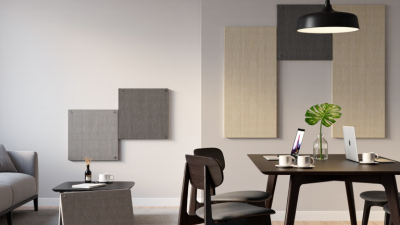
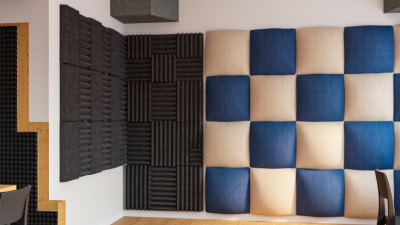
Key Factors for Evaluating Acoustic Panels in 2026

Choosing acoustic panels in 2026 starts with the room, not the product photo. A bright, empty office with hard floors often needs help with speech reflections. A bass-heavy music room has different needs. Look for independent absorption data, including performance across low, middle, and high frequencies. One overall rating can hide weak bass control. Numbers matter, but room measurements and intended use matter too.

Check panel thickness, core material, and coverage area. Thicker panels may absorb lower frequencies more effectively, though placement and construction also affect results. Try a hand clap near a bare wall; a sharp flutter or lingering ring can reveal reflection problems. Not scientific. Still useful. Panels placed at reflection points, such as side walls beside a desk, may help more than scattered panels. For persistent low-frequency buildup, thin decorative tiles are unlikely to solve the issue alone.

Consider fire performance, emissions information, cleaning needs, and mounting hardware before buying. Public specifications should explain how ratings were tested, rather than relying on vague claims. In a rented room, lightweight panels with removable mounting options may be practical. In a shared workspace, fabric durability and safe installation deserve attention. I would leave room for adjustment: acoustics can behave differently once furniture, people, and rugs are added. Start with a measured problem, install a modest amount, then listen again.

What Are the Best Acoustic Sound Panels in 2026?

Key factors include frequency-specific absorption, panel thickness, mounting method, fire safety, and independently tested performance. The chart shows sound wavelength in air across standard octave-band frequencies—a useful reference when considering how panel depth and an air gap may affect lower-frequency absorption.

Wavelengths are calculated using a speed of sound of approximately 343 m/s at 20°C. This is a physics reference, not an absorption rating: compare independently tested, frequency-specific absorption data when choosing panels.

Main Types of Acoustic Panels and Their Differences

Acoustic panels differ mainly in how they control reflections, not in whether they block noise from neighboring rooms. For speech clarity, fabric-wrapped panels filled with mineral wool or fiberglass are common choices. Their porous cores absorb sound, especially mid- and high-frequency reflections. A panel about two inches thick can help reduce harsh echoes on a nearby wall, though results depend on room size and placement. Not soundproofing.

Foam panels are lightweight and easy to cut around corners or equipment. They can reduce some high-frequency reflections, but thin foam does little for bass, and covering every wall may leave a room sounding dull.

PET felt panels offer a firmer, often decorative surface; their performance varies with thickness and backing. Check published absorption data, such as NRC ratings, but do not treat one number as a guarantee for every frequency.

Wood-slat panels combine a reflective face with absorbent material behind it, so they can soften sound while preserving some liveliness. They suit rooms where appearance matters, but the hidden backing affects performance.

Bass traps are thicker corner treatments designed for low-frequency buildup, which can make music rooms sound less boomy. Placement matters.

I would not choose panels by looks alone; even a sensible layout may need adjustment after listening from different seats. Acoustic treatment is imperfect, and the room itself remains part of the equation.

How Leading Acoustic Panels Compare in Performance and Value

The best acoustic sound panels in 2026 are not automatically the thickest or most expensive. Their value depends on the room, the problem, and where each panel is placed. Fabric-wrapped panels with dense, porous cores often absorb speech and mid-to-high frequencies effectively. Thicker panels can help control lower frequencies, though they take up more space and usually cost more. Lightweight foam is easier to mount, but it may offer less broad-frequency absorption.

Small details matter.

For a home office, a few well-positioned panels near reflection points may improve video calls more than covering every wall. In a lively living room, a mix of wall panels and a rug can soften reflections without making the space feel overly treated.

Compare published absorption data, panel thickness, coverage, mounting hardware, and replacement costs—not just the price per panel. Installation adds up. Claims can also be hard to compare when testing conditions differ, so treat ratings as guidance rather than a promise for your room.

I would leave a little flexibility in the budget; layout experiments sometimes reveal that the first placement was not quite right. A simple before-and-after voice recording can help you judge whether the extra cost made a noticeable difference.

Choosing the Best Panels for Different Rooms and Needs

The best acoustic panels depend on what you hear in the room. A small office with sharp video-call echoes needs different treatment from a music room with lively reflections. For speech, start with panels on the wall beside or behind your desk, where bare surfaces send voices back toward the microphone. A few well-placed panels can soften harsh reflections without making the room feel unnaturally dull. They will not block traffic noise or stop sound passing through a wall; that requires a different approach.

Material and placement matter more than appearance alone. In a bedroom or living room, fabric-wrapped panels can blend with the furnishings, but check their thickness and construction rather than judging by color. For a home studio, thicker absorbers may help control lower frequencies, though corners and ceiling reflections also deserve attention. A simple test helps: clap once, then listen for a lingering ring. Move a temporary absorber, such as a folded blanket, and listen again. It is imperfect, but useful. Measure the room, note where sound feels harsh, and add panels gradually. Too much absorption can make a space feel oddly lifeless. Choose panels suited to the room’s purpose, available wall space, and cleaning needs.