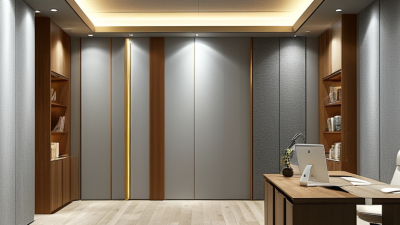
What Are the Best Sound Absorbing Panels for Home?
Choosing sound absorbing panels for home is not as simple as covering every wall. The best option depends on room size, surface materials, furniture, and the type of noise involved. Echoes from voices need a different approach than footsteps or traffic sounds.
In practice, panels with mineral wool, polyester fiber, or acoustic foam can reduce reflected sound. Their performance varies considerably. Look for tested absorption ratings, such as Noise Reduction Coefficient values, rather than relying on attractive product photographs. Thickness matters too. A thick panel with an air gap often absorbs more low-frequency energy than a thin panel mounted directly against the wall.
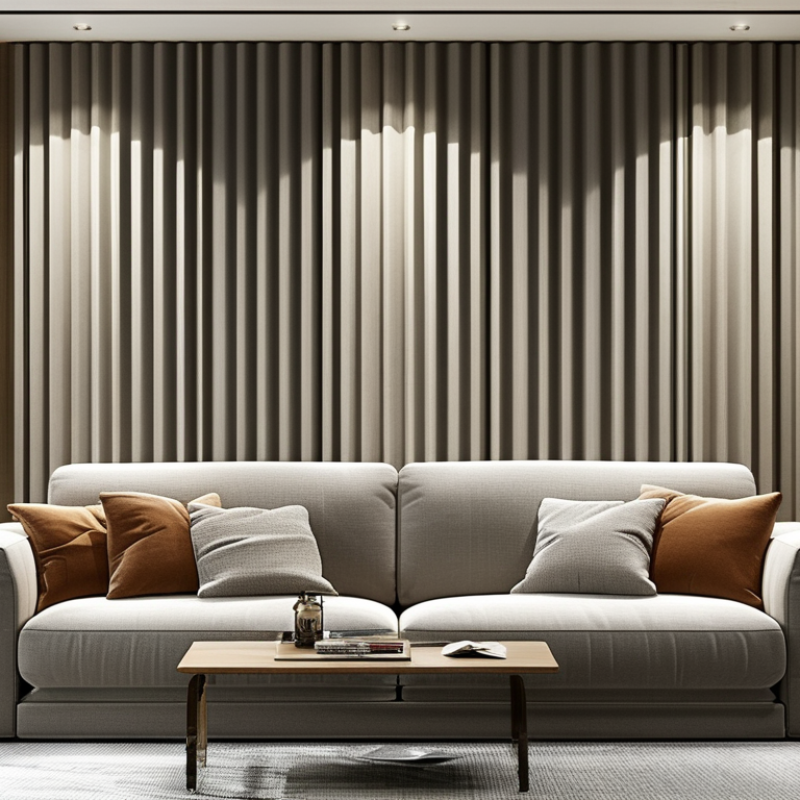
Placement also changes the result. Panels near first-reflection points can improve speech clarity in a living room or home office. A fabric-covered panel above a desk may reduce harsh reflections during video calls. Behind a sofa, thicker treatment can soften sound without making the room feel industrial. The room is rarely perfect.
Safety deserves attention. Check the manufacturer’s fire-rating information, mounting instructions, and material disclosures. Avoid blocking vents, doors, or electrical access. Panels should be secured properly, especially in homes with children or pets.
A reliable choice balances acoustic performance, appearance, installation effort, and budget. Online reviews can help, but independent test data carries more weight. Some products promise dramatic silence. That claim deserves skepticism. Sound absorption reduces echoes inside a room; it does not fully block outside noise or stop sound passing through walls. This guide examines the practical differences, strengths, and limitations of leading home acoustic panel options.
What Sound-Absorbing Panels Do and How They Improve Home Acoustics
Sound-absorbing panels reduce reflected sound inside a room. They do not completely block noise from neighbors or traffic. That distinction matters.
In a living room, sound can bounce between glass, plaster, and wooden flooring. These reflections make speech feel blurred and music sound harsh.
Panels capture part of that energy, creating a calmer and more controlled acoustic environment.
The best choice depends on the problem.
Thick porous panels usually absorb a wider range of frequencies than thin foam. Fabric-wrapped mineral wool or fiberglass can work well when properly enclosed. Thin foam may reduce some high-frequency echo, but it often leaves voices sounding uneven. It may disappoint.
For clearer conversations, place panels on the wall facing the speakers or seating area. For music, add treatment at early reflection points beside the listening position.
Avoid covering every wall, because a room can become unnaturally dull.
Placement deserves testing.
Clap near the center of the room and listen for a sharp fluttering echo. Move one panel, then repeat the test.
A phone recording can reveal changes, although its microphone is not fully reliable.
Serious rooms benefit from measurements by an acoustic professional. Look for panels with documented fire performance and secure mounting hardware.
One common mistake is choosing panels only by appearance. A beautiful panel in the wrong location may change very little.
Bare corners, large windows, and low ceilings can still dominate the room’s sound.
Key Factors for Choosing Panels by Room, Noise, and Acoustic Goal
What Are the Best Sound Absorbing Panels for Home?
Key Factors for Choosing Panels by Room, Noise, and Acoustic Goal
Choosing sound absorbing panels starts with the room, not the product. In a home office, reduce reflections around your desk and microphone. Fabric-wrapped panels on side walls can soften speech and video calls. A thick ceiling panel may help if the room feels harsh. I once treated only the wall behind my desk. The room still sounded bright. That mistake taught me to listen from the chair, not just stand near the wall.
Living rooms need a different approach. For television dialogue, place absorption near strong reflection points beside the screen and seating area. In a music room, use thicker panels for lower midrange control. Thin panels may reduce echoes but leave bass energy untouched. That difference is easy to miss. Use a mirror to locate reflections, then confirm your choices with a short clap test and careful listening.
Bedrooms benefit from moderate absorption, especially near hard floors, bare windows, and large wardrobes. Avoid covering every surface. A room can become unnaturally dull. Look for reliable laboratory data, such as absorption ratings tested across several frequencies, rather than relying on appearance alone. Check mounting strength, fabric safety, cleaning needs, and panel thickness. Noise from neighbors usually requires isolation, not absorption. Panels improve sound inside the room, but they cannot fully block voices, traffic, or impact noise passing through walls.
What Are the Best Sound Absorbing Panels for Home?
Typical Noise Reduction Coefficient (NRC) ranges by panel type. Higher NRC generally means better absorption of mid- and high-frequency room reflections, while actual performance depends on thickness, air gaps, coverage, and installation.
How to choose: Use high-NRC fiberglass or mineral-wool panels for home theaters, studios, and echo control. PET felt and acoustic foam are useful for reducing reflections in offices and living spaces. Wood panels with an acoustic backing can balance absorption with visual warmth. Curtains provide lighter absorption and are most effective when pleated and placed near windows.
Comparing Fabric, Wood, Foam, and Fiberglass Absorbing Panels
What Are the Best Sound Absorbing Panels for Home?
Choosing the right acoustic panel depends on room use, frequency control, and appearance. Fabric-wrapped panels offer a balanced choice for offices, bedrooms, and media rooms. They absorb speech and reflections while adding color. Their performance depends on thickness, air gaps, and the material behind the fabric.
Wood panels can improve clarity without making a room feel overly treated. Slatted designs usually combine a reflective face with an absorbent backing. They suit living rooms and music spaces, but they may cost more and control fewer low frequencies.
Foam panels are lightweight and easy to install. They reduce high-frequency echoes, although a room may still sound boomy.
Fiberglass panels often provide wider absorption across speech and music frequencies. They work well in studios, open-plan rooms, and noisy home offices. Safe covering and careful installation matter.
Tips
Use a hand clap to locate sharp reflections before buying panels. Start with two or four panels, then listen again. Place absorption beside speakers and at ear height. Leave an air gap behind panels when possible. Avoid covering every wall. My own mistake was adding too much foam, which made speech dull but did not fix bass buildup. A simple measurement microphone can reveal problems that ears miss. Treat corners separately when low-frequency energy remains. Safety comes first: use sealed surfaces and proper mounting hardware.
How Panel Placement and Coverage Affect Sound Control
What Are the Best Sound Absorbing Panels for Home?
Panel placement often matters more than panel quantity. In a typical living room, place panels at the first reflection points beside the speakers. Add one behind the listening position if the wall feels harsh. Ceiling panels can reduce strong vertical reflections, especially above a desk or dining table. Do not cover every surface. A room can become strangely dull.
Panel performance should be checked through ASTM C423 laboratory testing. This method reports sound absorption by frequency and supports the Noise Reduction Coefficient, or NRC. For example, 100 square feet of panels rated NRC 0.80 may provide about 80 sabins of absorption. That estimate is useful, but room shape, air gaps, furniture, and low-frequency buildup change the result. ISO 354 also measures absorption in a reverberation room, yet laboratory ratings cannot fully predict a home installation.
Tips: Begin with 15% to 25% wall coverage. Treat reflection points before adding more panels. Leave a 2- to 4-inch air gap behind thicker panels when possible. This can improve lower-frequency absorption. Use a mirror test to locate speaker reflections. Then check the room by clapping, speaking, and recording short audio samples. The U.S. General Services Administration’s acoustic guidance emphasizes controlling reverberation, not simply blocking outside noise. That distinction is easy to miss. A quieter room is not always a better room.
Installation, Maintenance, Safety, and Budget Considerations
Choose panels using measured absorption, not thickness alone. ASTM C423 reports absorption through the Noise Reduction Coefficient, or NRC, ranging from 0 to 1. A panel rated NRC 0.80 generally absorbs more mid-frequency sound than one rated 0.40. Room shape still matters.
Place panels at first-reflection points beside speakers, desks, or conference tables. A 50–100 millimetre air gap can improve lower-frequency absorption. Measure twice. I still misjudge corner reflections sometimes. The 2018 World Health Organization Environmental Noise Guidelines recommend less than 40 decibels outdoors at night for healthy sleep. Panels can reduce reverberation, but they cannot replace quieter equipment or better building isolation.
Installation should use secure mechanical fixings, especially above seating areas. Keep panels clear of vents, sprinklers, lights, and electrical access. Request ASTM E84 or EN 13501-1 fire-performance information before purchasing. Avoid products with strong odours, damaged facings, or unclear material documentation. For maintenance, vacuum fabric gently with a soft brush and inspect seams every few months. Moisture needs attention quickly; porous materials can retain mould if leaks remain untreated. Budget for panels, mounting hardware, delivery, measurement, and professional labour. A cheaper panel may become expensive after repeated replacements. Start with the loudest reflection zone, then add treatment gradually. That approach is less dramatic, but usually more accurate.
What Are the Best Sound Absorbing Panels for Home? - Installation, Maintenance, Safety, and Budget Considerations
| Panel Type | Typical Construction | Sound Absorption Performance | Best Home Applications | Installation Requirements | Maintenance | Safety Considerations | Typical Budget Range | Key Advantages | Potential Limitations |
|---|---|---|---|---|---|---|---|---|---|
| Fabric-Wrapped Fiberglass | Rigid fiberglass or mineral-fiber core covered with acoustically transparent fabric. | High absorption Often effective across mid and high frequencies; performance improves with an air gap behind the panel. |
Home theaters, music rooms, offices, podcast rooms, and living rooms with noticeable echo. | Can be mounted with impaling clips, French cleats, Z-clips, or framed hanging systems. Leave a small gap from the wall when possible. | Vacuum gently with a soft brush attachment. Spot-clean only according to the fabric manufacturer’s instructions. | Use panels with documented fire-performance information. Keep edges secure and avoid damaged coverings that expose fibers. | Approximately $12–$35 per sq. ft. | Excellent absorption, many colors and sizes, lightweight, and suitable for decorative layouts. | Fabric can stain or tear; generally costs more than basic foam products. |
| Acoustic Mineral-Wool Panels | Mineral-wool or stone-wool core inside a fabric-wrapped or perforated protective enclosure. | High absorption Strong broadband performance, especially when thickness and wall spacing are increased. |
Dedicated listening rooms, home cinemas, rehearsal spaces, and rooms requiring substantial echo control. | Requires a secure frame, cleat, or bracket system. Handle enclosed products carefully and follow the installation instructions. | Dust with a soft brush or vacuum gently. Replace or repair damaged fabric promptly. | Choose fully enclosed products and wear appropriate protective equipment when cutting or handling exposed mineral wool. | Approximately $15–$40 per sq. ft. | Very effective, durable, and useful for controlling a broad range of reflections. | Heavier than foam, may require stronger wall anchors, and can be visually bulkier. |
| PET Felt Panels | Panels made from compressed polyester fibers, commonly produced partly from recycled plastic. | Moderate to high absorption Best for speech frequencies and general reduction of room reverberation. |
Home offices, study rooms, children’s rooms, media rooms, and multipurpose spaces. | Often installed with construction adhesive, clips, screws, or a suspended ceiling system. Confirm substrate compatibility before using adhesive. | Regularly dust or vacuum. Many products allow limited spot cleaning, but excessive moisture should be avoided. | Check fire-rating documentation and keep panels away from heat sources, open flames, and high-temperature lighting. | Approximately $8–$25 per sq. ft. | Lightweight, easy to cut, available in many shapes, and usually simple to install. | Lower-frequency absorption may be limited unless panels are thick or spaced away from the wall. |
| Acoustic Foam | Open-cell polyurethane or melamine foam with a flat, wedge, pyramid, or convoluted surface. | Moderate absorption Most effective at mid and high frequencies; thin foam has limited bass control. |
Small recording areas, voice booths, gaming rooms, and temporary echo reduction. | Usually attached with removable strips, adhesive, clips, or lightweight mounting boards. Test adhesive on a small area first. | Dust gently with a vacuum or soft brush. Do not saturate with water or harsh cleaning chemicals. | Verify fire-performance information. Keep away from heaters, halogen lamps, candles, and other ignition sources. | Approximately $3–$15 per sq. ft. | Low cost, lightweight, easy to arrange, and useful for controlling early reflections. | Can look utilitarian, may degrade with ultraviolet exposure, and is generally less effective at low frequencies. |
| Wood-Slatted Absorber | Perforated or slatted wood facing mounted over an absorptive felt or mineral-fiber backing. | Moderate to high absorption Provides absorption while also offering some reflection and diffusion from the wood surface. |
Living rooms, dining areas, home theaters, and design-focused media spaces. | Usually mounted on battens, a timber frame, or wall rails. Accurate measuring and stronger anchors may be needed. | Dust with a microfiber cloth or soft brush. Use wood-safe cleaners only when permitted by the finish manufacturer. | Secure all slats and panels firmly. Keep wood finishes and backing materials away from excessive heat and moisture. | Approximately $20–$55 per sq. ft. | Strong visual appeal, durable finish, and a balanced combination of absorption and controlled reflection. | Higher cost, greater weight, and more involved installation than foam or lightweight felt. |
| Perforated Wood or Gypsum Panel | Rigid perforated surface backed by an absorptive cavity, insulation layer, or acoustic fabric. | Moderate to high absorption Performance depends heavily on hole pattern, backing material, panel depth, and installation cavity. |
Large media rooms, home theaters, ceilings, and areas requiring a built-in architectural appearance. | Typically installed as part of a framed wall or ceiling system. Professional installation may be appropriate for large or ceiling-mounted layouts. | Dust the visible surface carefully. Inspect perforations periodically and avoid blocking them with paint or furnishings. | Use products tested for the intended wall or ceiling application. Confirm load capacity and any required fire or building-code details. | Approximately $18–$60 per sq. ft. | Can integrate with walls and ceilings, provides a finished architectural appearance, and may offer robust long-term performance. | More difficult to retrofit, expensive, and less convenient to relocate after installation. |
| Bass Trap | Thick porous absorber or membrane-based device designed for corners and low-frequency pressure zones. | Specialized low-frequency control Useful for reducing bass buildup and uneven response, especially when placed in room corners. |
Home theaters, music studios, listening rooms, and rooms with boomy or uneven bass. | Place in corners, wall-ceiling junctions, or behind speakers as appropriate. Large porous traps may need corner brackets or floor support. | Vacuum fabric surfaces gently and check that corner mounts remain stable. | Ensure tall units cannot tip over. Maintain ventilation around heat-producing equipment and use enclosed absorptive materials. | Approximately $25–$100 per linear foot | Addresses a problem that thin wall panels cannot solve effectively and can improve clarity at higher playback levels. | Requires more space, may be visually prominent, and usually works best as part of a broader acoustic treatment plan. |
| Ceiling Cloud | Suspended fabric-wrapped, felt, fiberglass, or mineral-wool panel installed horizontally or at an angle. | High ceiling-reflection control An air gap above the cloud can improve absorption compared with direct wall mounting. |
Open-plan rooms, dining areas, home offices, media rooms, and spaces with hard floors and ceilings. | Requires rated suspension hardware, secure ceiling attachment points, and careful clearance from lights, sprinklers, and ventilation equipment. | Dust or vacuum gently. Inspect suspension cables, hooks, and anchors at least periodically. | Use suitable ceiling anchors and fire-rated materials where required. Do not obstruct smoke detectors, sprinklers, vents, or lighting. | Approximately $15–$45 per sq. ft. | Controls overhead reflections and can improve speech clarity without using wall space. | Installation is more complex, and suspended units may be unsuitable for low ceilings or rental properties. |
Budget ranges are general planning estimates in U.S. dollars for materials and may vary by thickness, dimensions, finish, installation method, shipping, and local labor rates. Sound-absorbing panels reduce reflections and reverberation inside a room; they do not provide the same function as soundproofing construction.
Related Posts
-
China Top Acoustic Panels for Walls Suppliers?
-
2026 Top Trends in Custom Acoustic Panels for Soundproofing Solutions?
-
Best Sound Proofing Walls Options for 2026 Buyers?
-
2026 Best Acoustic Panels for Soundproofing Your Space?
-
Top 10 Custom Acoustic Panels for Soundproofing Solutions?
-
What Is the Best Type of Sound Panels?