2025 How to Use Sound Reducing Panels for a Quieter Home
In an era where urban living often equates to noise congestion, creating a quieter home has become a top priority for many homeowners. According to a study by the World Health Organization, excessive noise exposure can lead to various health issues, including stress, sleep disturbances, and impaired cognitive function. With statistics indicating that nearly 40% of the population is exposed to noise levels that could affect their health, the need for effective soundproofing solutions is more critical than ever.
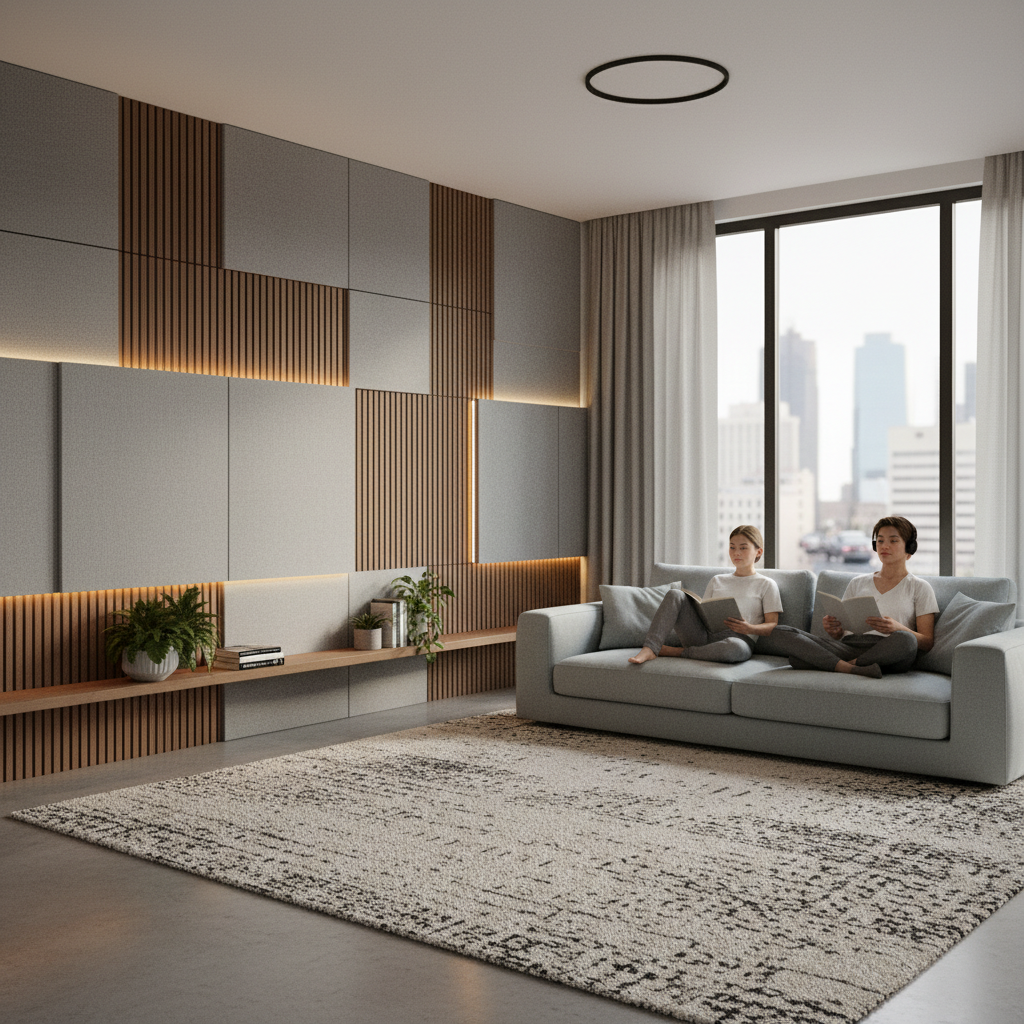
One practical method to mitigate unwanted noise is through the use of sound reducing panels. These specialized acoustic panels can significantly diminish sound transmission and create a more serene indoor environment. Research published in the Journal of the Acoustical Society of America reveals that strategically placed sound reducing panels can reduce noise levels by up to 50%, making them an indispensable tool for achieving tranquility in homes, especially in noisy urban settings.
This article provides valuable insights into how to effectively implement sound reducing panels within your living spaces, focusing on material selection, placement strategies, and design considerations. By understanding the science behind sound control and employing the right techniques, you can enhance both the acoustics and aesthetics of your home, thus enjoying a quieter, more peaceful living experience.
Understanding Sound Reduction Panels and Their Materials
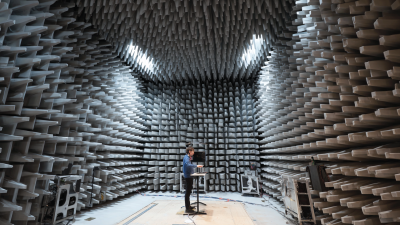
Sound reduction panels are an essential element in creating a quieter home environment. These panels are designed specifically to absorb sound waves, reducing echoes and minimizing noise from both internal and external sources. They come in various materials, each with unique properties that affect their soundproofing capabilities. Common materials include foam, fabric-wrapped fiberglass, and acoustic wood.
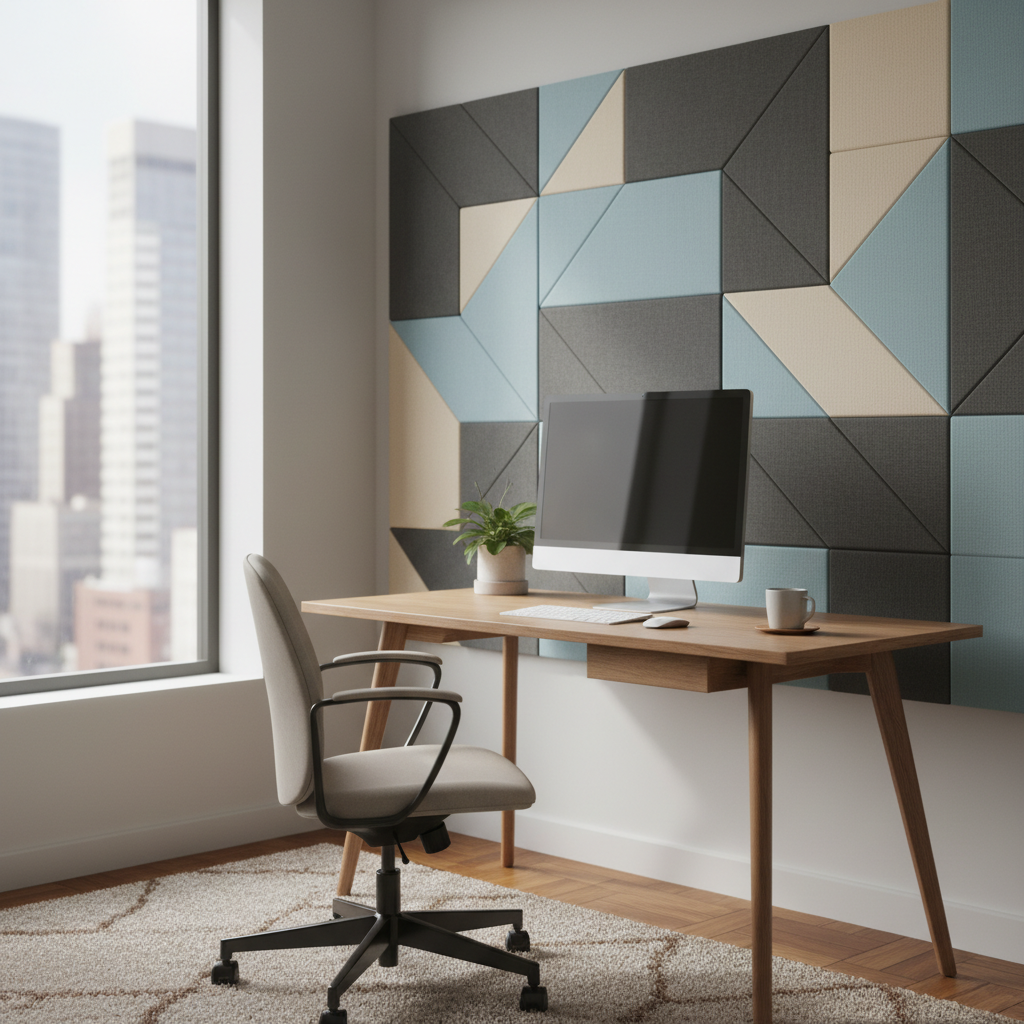
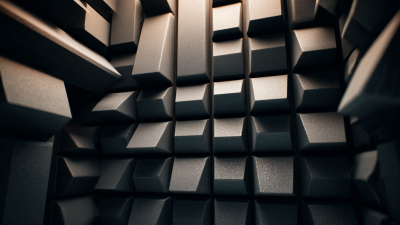
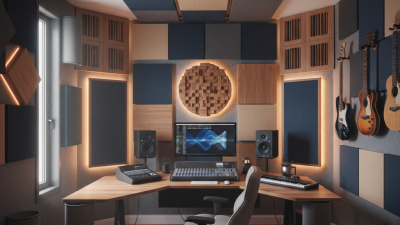
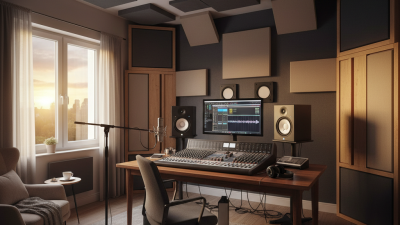
Foam panels are lightweight and easy to install, making them a popular choice for personal spaces like home studios. In contrast, fabric-wrapped fiberglass panels offer excellent sound absorption while enhancing interior aesthetics with various fabric choices.
The effectiveness of sound reduction panels largely depends on their construction and placement. Panels made from denser materials typically provide better sound absorption, while their thickness also plays a crucial role. For optimal results, consider installing these panels in high-traffic areas or rooms with many sound reflections, such as living rooms or home theaters. Beyond functionality, the design of the panels can enhance the overall decor, providing stylish solutions for reducing noise without compromising on visual appeal. By understanding the materials and their sound-damping properties, homeowners can select the right panels to create a tranquil living space.
Benefits of Using Sound Reducing Panels in Your Home
Sound reducing panels are an effective solution for those seeking a quieter home environment. These panels absorb sound, minimizing echoes and creating a more serene atmosphere. This is particularly beneficial in urban settings where external noise can be intrusive. By improving sound quality, these panels not only enhance comfort but can also boost focus and productivity, making them a smart addition to home offices or study areas.
When installing sound reducing panels, consider the placement carefully. Installing panels near high-noise sources, like entertainment centers or kitchens, will yield better results. Additionally, mixing different materials and colors can improve aesthetics while boosting sound absorption. For optimal outcomes, ensure to cover walls and ceilings, as this will significantly reduce sound reflections in a room.
Tips for using sound reducing panels effectively include incorporating them into your decor. Choose decorative designs that complement your home’s style, which will not only reduce noise but also enhance the visual appeal. Another tip is to experiment with panel placement; sometimes a small adjustment can make a noticeable difference in sound quality.
How to Choose the Right Soundproofing Panels for Your Space
When it comes to selecting the right soundproofing panels for your space, several factors should be taken into consideration to ensure you make the best choice. First, assess the specific areas in your home that require sound reduction. Rooms with hard surfaces, such as kitchens and bathrooms, often reflect sound, while living rooms and bedrooms may benefit from panels that absorb sound to create a more serene environment. Identifying the primary noise sources—whether they are external sounds from the street or internal noise from family activities—will guide your material and thickness selection.
Next, consider the material and design of the panels. Acoustic panels are typically made from foam, fabric-wrapped fiberglass, or wood. Foam panels are lightweight and affordable, perfect for smaller spaces, while fabric-wrapped fiberglass provides style and better sound absorption, making them suitable for larger areas or commercial settings. Additionally, take note of the panel's NRC (Noise Reduction Coefficient) rating; higher ratings indicate better sound absorption. Lastly, the aesthetic appeal of the panels should align with your home’s decor. Soundproofing can be effective while still enhancing the visual appeal of your space.
2025 Soundproofing Panel Effectiveness: A Comparison
This chart illustrates the effectiveness of various soundproofing panel materials based on their sound reduction coefficient (NRC) ratings. The higher the NRC rating, the more effective the material is at reducing noise in residential spaces.
Effective Installation Techniques for Sound Reducing Panels

When it comes to creating a quieter home environment, sound reducing panels can be a game-changer. The effectiveness of these panels largely depends on proper installation techniques.
First, it is crucial to identify the areas where sound reduction is most needed, such as walls, ceilings, or even a home studio. Once you’ve pinpointed these locations, ensure that the surface is clean and dry before attaching the panels.
This will promote better adhesion and enhance the panels' overall effectiveness.
Tips: When installing sound reducing panels, consider using a measuring tape to space them evenly. This not only improves aesthetics but also optimizes sound absorption.
Additionally, using a high-quality adhesive or mounting hardware can significantly affect the longevity and performance of the panels.
Be sure to follow the manufacturer's instructions for the best results.
Another effective technique is to layer the panels for increased soundproofing. By combining different thicknesses and materials, you can combat various sound frequencies more effectively.
This method allows for a customized approach to sound reduction, ensuring that specific noises, whether from outside or other rooms, are minimized.
Make sure to leave a small air gap between layers to enhance sound absorption further.
Maintenance Tips to Keep Your Sound Panels Performing Well
To ensure your sound reducing panels continue to perform effectively in creating a quieter home environment, regular maintenance is essential. Research from the Acoustical Society of America indicates that appropriate upkeep can enhance sound absorption by up to 30%. One simple way to maintain their performance is by keeping the panels clean. Dust and grime can accumulate on the surfaces, diminishing their ability to absorb sound. A gentle vacuum or a soft cloth can effectively remove debris without damaging the material.
Another critical aspect of maintaining sound panels is checking for damage or wear. According to the National Institute of Building Sciences, sound panels can lose up to 20% of their sound attenuation properties each year if not properly cared for. Regularly inspecting your panels for signs of wear, such as tears or discoloration, can help you determine when it's time to replace them. Additionally, consider repositioning the panels periodically to adapt to changing room layouts or furnishings that may affect sound flow. By following these maintenance tips, you can ensure that your sound reducing panels remain functional and effective, providing you with the quiet home environment you desire.