10 Best Soundproof Booths for Global Buyers
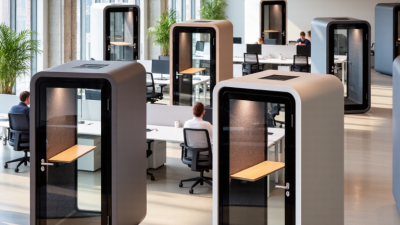
Choosing the right soundproof booth can feel deceptively simple. Product photos rarely reveal the full buying experience. A booth may look refined online, yet feel cramped, warm, or difficult to assemble onsite. Global buyers must examine acoustic performance, ventilation, lighting, materials, and after-sales support together.
This guide evaluates ten soundproof booth options for offices, studios, call centers, schools, and flexible workspaces. We consider documented acoustic ratings, door seals, panel construction, cable access, power requirements, and interior comfort. Shipping dimensions also matter. A booth that fits a catalog may not pass through a narrow elevator or office doorway. Small details become expensive problems.
No soundproof booth blocks every outside noise. That expectation needs honest reconsideration. Performance depends on room structure, installation quality, background noise, and user behavior. Independent test evidence is valuable, but real-world conditions can differ. We therefore focus on practical information that buyers can verify, including warranty terms, replacement parts, ventilation noise, cleaning needs, and regional service availability. The strongest choice is not always the booth with the highest advertised rating. It may be the model that remains comfortable during a long video call, arrives safely, and receives dependable support months later. Some specifications remain incomplete across brands, so careful questions are still necessary. Measure twice. Order once.
What Defines a High-Quality Soundproof Booth
10 Best Soundproof Booths for Global Buyers
What Defines a High-Quality Soundproof Booth
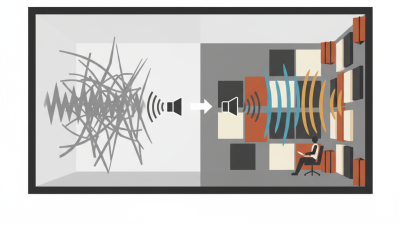
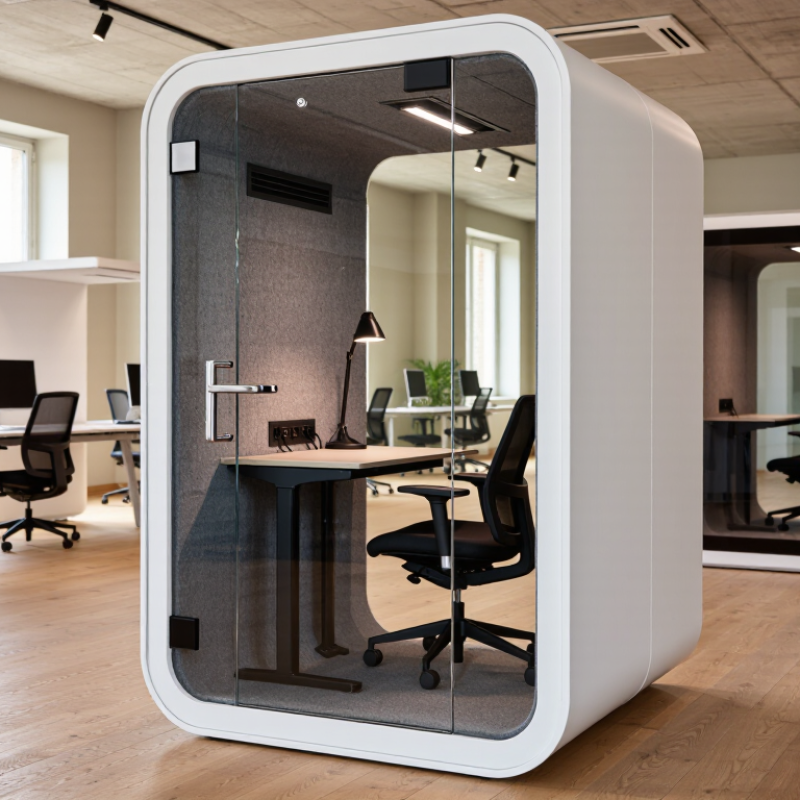
A high-quality soundproof booth controls sound, air, light, and user comfort together. Its panels need sealed joints, dense cores, and stable connections. Small gaps around doors can weaken performance dramatically. In practice, I check the threshold, hinges, cable ports, and ventilation grilles first. The booth should also reduce internal echo, not merely block outside noise. Clear speech matters more than an impressive wall thickness.
ISO 23351-1:2020 provides a useful testing method for speech level reduction in enclosures. Buyers should request tested results, measured in decibels, rather than accepting vague claims such as “fully silent.” A reliable report should identify the test setup, frequency range, and installed configuration. Real performance may differ after shipping and assembly. That uncomfortable detail is often overlooked.
Ventilation is equally important. ASHRAE Standard 62.1-2022 emphasizes adequate outdoor airflow for occupied spaces, although booth sizing requires professional interpretation. Poor airflow creates heat, stale air, and recording fatigue within minutes. The WHO World Report on Hearing estimates that over 1.5 billion people live with hearing loss, with nearly 2.5 billion potentially affected by 2050. Acoustic comfort supports safer communication, but it does not replace hearing protection. I would also inspect lighting flicker, accessible controls, fire-safe materials, and maintenance access. A perfect specification sheet is still incomplete without practical testing.
Criteria for Comparing the Ten Best Soundproof Booths
10 Best Soundproof Booths for Global Buyers
Comparing the ten best soundproof booths requires more than checking attractive photographs. Measure the exterior footprint, interior desk space, door clearance, and ceiling height. A booth should fit the room without blocking walkways or emergency access. Review the acoustic test method, not only the claimed decibel reduction. Results can change with room size, frequency, and installation quality. Look for independent laboratory data covering speech frequencies and lower tones. Thin walls may control voices but perform poorly against traffic noise.
Ventilation deserves equal attention. Check airflow volume, fan noise, filter access, and heat buildup during long calls. A quiet booth becomes frustrating when air feels stale after twenty minutes. Inspect lighting, power outlets, cable routing, seating support, and surface durability. Materials should resist daily wear and allow simple cleaning. Ask whether assembly instructions are clear for international teams. Delivery packaging, replacement parts, warranty terms, and technical support also affect long-term value. Local electrical compatibility must be verified before purchase.
Tips:
Compare all ten booths using the same checklist and room conditions. Request test reports, installation drawings, and real product dimensions. If possible, listen inside a working booth before ordering. Record background noise with a basic meter, then repeat the test after installation. Marketing language can sound impressive. Evidence is more useful. A small measurement mistake may change the final choice.
Acoustic Performance, Materials, Features, and Global Standards
Global buyers should judge a soundproof booth by tested performance, not glossy panels.
ISO 23351-1 measures speech level reduction for furniture units, including enclosed workspaces. The method helps compare products under controlled conditions. However, laboratory results may differ from a busy office. Door gaps, ventilation, and floor vibration often weaken real-world isolation.
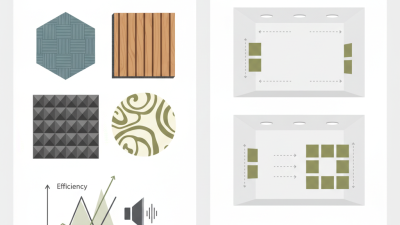
Material selection matters. High-mass panels block airborne noise, while mineral wool or polyester fiber absorbs reflections inside the booth. Laminated glass can improve visibility without creating a sharp echo. Look for continuous seals, adjustable door pressure, silent ventilation, and isolated floor contact points. A practical booth should also manage heat, carbon dioxide, and lighting. It is not only a quiet box.
The World Health Organization’s 2018 Environmental Noise Guidelines recommend below 30 dB(A) indoors at night for good sleep conditions. That target is not a direct booth requirement, but it gives buyers useful acoustic context.
ISO 3382-3 also supports measured evaluation of speech privacy in open-plan offices. Ask suppliers for test conditions, frequency ranges, and independent laboratory documents. Do not trust one decibel number.
I would also test a sample booth with a colleague speaking outside, because human voices expose weak seals quickly.
Global projects must check electrical ratings, fire classifications, accessibility, and local installation rules. Performance claims need careful reading.
Purchasing, Shipping, Installation, and Maintenance Considerations
For global buyers, the best soundproof booth is not always the quietest model. Purchasing starts with a verified test method, intended speech level, ventilation, occupancy, and local electrical requirements. ISO 23351-1 provides a standardized approach for measuring speech level reduction in enclosures. Ask for test conditions, not only a headline decibel figure. A booth rated in a laboratory may perform differently beside printers, glass walls, or vibrating floors. Measure twice. Airflow matters.
Shipping changes the purchase calculation. UNCTAD’s Review of Maritime Transport 2023 reports that over 80% of global merchandise trade by volume moves by sea. Confirm packed dimensions, gross weight, crate protection, and door clearance before payment. Request a delivered-cost quote covering port handling, inland delivery, insurance, and possible storage. Shock indicators and moisture barriers are useful safeguards. They do not replace inspection photos. Some specifications are incomplete. A signed packing list and component checklist can strengthen delivery claims.
Installation requires level flooring, safe cable routing, and commissioning after assembly. Record background noise, internal temperature, fan settings, and speech reduction. The World Health Organization estimates that environmental noise causes at least one million healthy life-years lost annually in Western Europe. Noise control is a workplace issue, not decoration. Replace filters according to measured loading, inspect seals quarterly, and tighten access-panel hardware when needed. Maintenance schedules are often too optimistic. Recheck performance after relocation, because a small door gap can undermine expensive acoustic treatment.
10 Best Soundproof Booths for Global Buyers: Project Timeline
Typical planning benchmarks for purchasing, international shipping, installation, and commissioning. Actual timing varies by customization, destination, customs clearance, and site conditions.
For global buyers, production and shipping usually represent the largest share of the schedule. Confirm export packaging, local delivery access, electrical requirements, ventilation connections, assembly responsibilities, warranty coverage, and a preventive-maintenance plan before placing an order.