7 Sound Proof Door Buying Tips for Global Buyers

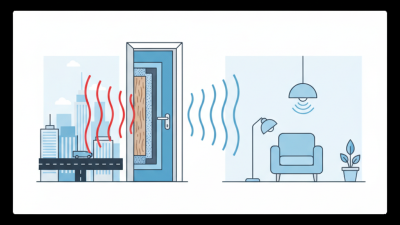
Choosing a sound proof door for an international project involves more than comparing prices and decibel ratings. The right door must match the room, wall construction, traffic level, and installation conditions. A studio, hotel corridor, hospital room, and factory entrance each create different acoustic challenges. Small details matter, including the door core, frame, seals, hinges, automatic drop seal, and threshold.

Experienced buyers often request laboratory test reports, installation drawings, material specifications, and maintenance guidance before placing an order. Look for clearly stated acoustic performance, such as STC or Rw values, and confirm how the product was tested. A high rating may not deliver the same result on site. Gaps around the frame can reduce performance quickly. Installation quality is critical.

No door is perfectly silent. That matters. A sound proof door should be evaluated as part of a complete wall and room system, not as an isolated product. Global buyers should also verify dimensions, opening direction, hardware compatibility, packaging strength, lead time, warranty terms, and local building requirements. Fire, accessibility, and safety standards may differ between markets, so supplier documents require careful review.

This guide presents seven practical buying tips for selecting a reliable sound proof door across international supply chains. It also considers common purchasing mistakes, including trusting vague claims, ignoring replacement parts, or choosing a door that cannot withstand daily use. Some decisions remain imperfect. Careful questions, technical evidence, and realistic acoustic expectations provide a stronger foundation.
7 Sound Proof Door Buying Tips for Global Buyers

Understand Noise-Control Needs and Door Performance Ratings

7 Sound Proof Door Buying Tips for Global Buyers

Understand Noise-Control Needs and Door Performance Ratings

Start with the noise source. Traffic, machinery, voices, and music require different control strategies. The World Health Organization’s Environmental Noise Guidelines for the European Region recommends less than 40 dB Lnight outside bedrooms. This target helps buyers define a realistic acoustic goal. Measure the room, identify peak noise hours, and compare the needed reduction with the door’s tested performance.

Check the rating, not the sales wording. ASTM E90 measures laboratory sound transmission loss, while ASTM E413 converts results into an STC classification. In many international projects, ISO 10140 and ISO 717-1 provide similar laboratory references through Rw values. Ask for the complete test report. Confirm the tested door leaf, frame, seals, glazing, and threshold match the proposed assembly. A high leaf rating can fail with a weak frame.

Installation matters more than many buyers expect. Continuous compression seals should close evenly, with no visible light around the edges. The threshold must meet the floor without creating a gap. Field results may differ from laboratory results, as ISO 16283 recognizes through on-site measurements. That difference is uncomfortable, but real. Request installation details, acoustic tolerances, and maintenance guidance before ordering. Recheck the specification with an independent consultant when noise exposure is critical.

Compare Core Materials, Seals, Frames, and Door Construction

7 Sound Proof Door Buying Tips for Global Buyers
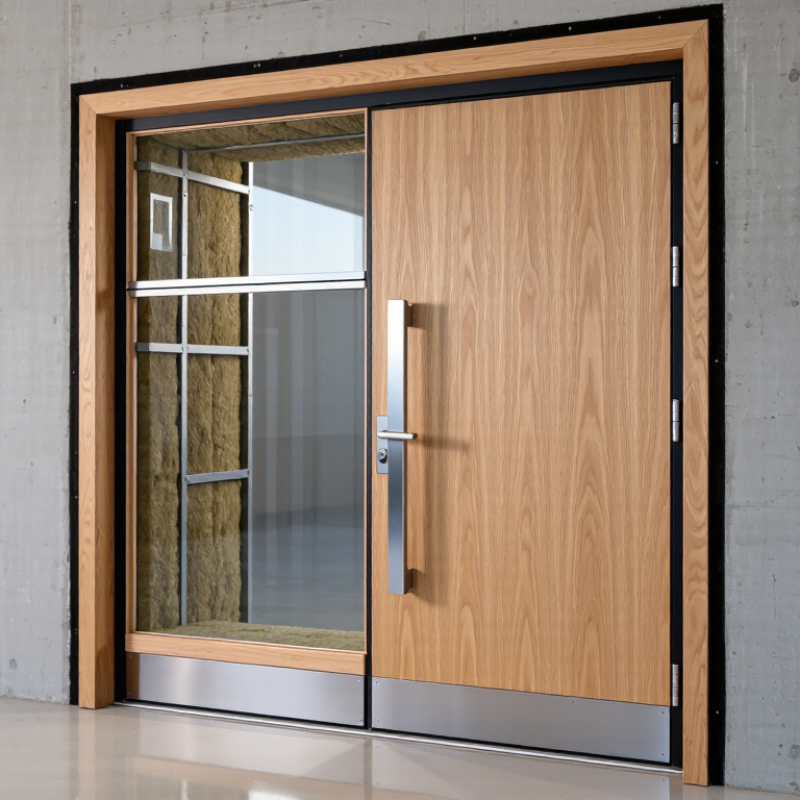
A soundproof door is only as effective as its weakest connection. Compare the core material, seals, frame, and assembly before comparing prices. A dense solid core can reduce speech and equipment noise, while lightweight hollow sections often transmit vibration. Mineral-filled or composite cores may offer better acoustic performance, but they can increase door weight. Weight matters. Confirm that the hinges and wall structure can support it safely.
The seal system deserves close inspection. Look for continuous magnetic seals around the jamb and a durable drop seal beneath the leaf. The seal should compress evenly, without visible gaps at the corners. I once inspected a heavy acoustic door with an excellent core, but its worn bottom seal ruined the result. Small gaps matter. Ask for laboratory reports showing the tested door assembly, not only the panel rating. Test methods and rating systems can differ between markets, so compare equivalent data.
The frame must match the door. A poorly fitted frame can create a narrow sound path around the entire opening. Steel frames may provide strength and stability, while reinforced timber or composite frames can suit certain interiors. Check frame depth, wall thickness, hinge quality, and threshold details. Installation also affects performance; uneven walls, loose fasteners, or unfinished joints can reduce isolation. Global buyers should request drawings, material specifications, maintenance guidance, and replacement-seal availability. A cheaper door may become costly when compatible parts are difficult to source.

Check International Standards, Certifications, and Fire-Safety Requirements

Global buyers should treat soundproof doors as tested systems, not simple products. Acoustic performance may be listed as STC or Rw, depending on the market. Ask for laboratory reports that show the full door assembly, including seals, frame, hinges, and glazing. A strong rating on paper can disappoint after poor installation.

Tip: Check the target country’s required standards before ordering. Fire-rated doors may need testing under standards such as EN 1634-1, UL 10C, or ASTM E152. Requirements differ by building type and region. Confirm whether the certificate covers the exact size, hardware, and wall construction. A certificate for a similar model may not be enough.

Tip: Review certification details carefully. Look for the testing laboratory, report number, validity, fire duration, and permitted modifications. Never add a viewer, cat flap, or new lock without approval. Small changes can weaken smoke control and acoustic sealing. I have seen projects focus on the door leaf while ignoring the frame gap. That was a costly oversight. Ask for installation instructions and local compliance guidance. Keep every document for inspectors and future maintenance.

Evaluate Sizing, Installation Conditions, and Climate Compatibility

7 Sound Proof Door Buying Tips for Global Buyers

Evaluate Sizing, Installation Conditions, and Climate Compatibility

A sound-rated door is only as effective as its weakest installation detail. Begin with the finished wall opening, not the nominal door size. Measure width, height, wall thickness, threshold height, and available swing clearance. Measure twice. Gaps matter.

WHO’s 2018 Environmental Noise Guidelines recommend keeping nighttime road-traffic noise below 45 dB Lnight outside bedrooms.

That target makes accurate sealing important. Specify a tested sound reduction value, such as Rw or STC, and check whether testing followed ISO 10140-2 or ASTM procedures. Laboratory results can look impressive. Field performance is usually lower because of frames, walls, hinges, and poor compression. ASTM E336 field testing can expose these weaknesses after installation.

Climate compatibility deserves equal attention. High humidity can swell timber components, while dry heat may shrink them and reduce seal pressure. Coastal air can accelerate corrosion around thresholds and fasteners. Ask for operating temperature, humidity limits, water resistance, and gasket replacement guidance.

Confirm the door suits inward or outward pressure, wind-driven rain, and local fire requirements. A practical inspection should include a flashlight test around the closed perimeter. If light appears, noise and air can pass. I would also allow small adjustment space around the frame, although this is often overlooked in rushed projects. Real sites are messier. A perfect specification cannot rescue an uneven opening or an untrained installer.

Review Suppliers, Customization Options, Warranty, and Total Costs

7 Sound Proof Door Buying Tips for Global Buyers

Global buyers should review a supplier beyond polished photographs. Ask for recent project references, factory audit records, and acoustic test reports. Reports should identify the door assembly, test method, and measured sound reduction. Generic claims are weak evidence. Contact two references directly. Ask whether delivered doors matched the approved drawings and packing list. An independent acoustic consultant can review unusual specifications. I once trusted a clear quotation and missed the cost of reinforced frames. That mistake changed my purchasing checklist.

Customization should cover leaf thickness, core density, seals, vision panels, hardware, finishes, and opening direction. Request a drawing with tolerances, not only a verbal promise. An acoustic door can lose performance when a seal is cut too short. Site conditions matter. Confirm wall thickness, threshold height, humidity, and installation clearance before production. Ask who approves revisions and how changes affect lead time. Some options look minor but alter weight, shipping space, or frame strength. Leave room for practical corrections.

Compare warranties by coverage, response time, exclusions, and replacement procedures. Labor, freight, taxes, unloading, installation, and future seal replacement belong in the calculation. Use one landed-cost sheet for every supplier. A lower unit price may hide expensive crating or difficult local installation. Request spare seals and adjustment instructions with the shipment. Clarify whether warranty support requires photographs, serial records, or on-site inspection. Keep every promise in the purchase contract. Verbal assurances can disappear.

7 Soundproof Door Buying Tips for Global Buyers

Recommended decision weights for reviewing suppliers, acoustic performance, customization, warranty coverage, and total landed cost.

Planning benchmark: the percentages represent a practical procurement framework, not data from a specific company or brand. Acoustic performance and total cost should be verified through test reports, quotations, shipping terms, installation requirements, and warranty documents.